Quick Take
Yes, old washing machines can usually be recycled for scrap because they contain materials like steel, copper, aluminium, and electric motors. Many people in Melbourne now use scrap pickup services to remove broken appliances instead of struggling to transport them or sending them to the landfill.
A broken washing machine is one of those household items that often sits around far longer than people expect. At first, the plan is simple. “We’ll get rid of it this weekend.” But then life gets busy. The machine stays in the garage, beside the fence, near the laundry wall, or under the patio for weeks, sometimes even months. Most people are not intentionally avoiding recycling. The real problem is usually convenience. Washing machines are heavy, awkward to move, difficult to fit into smaller vehicles, and frustrating to dispose of properly. That’s why more Australians are now searching for questions like
- “Can washing machines be scrapped?”
- “Who picks up broken washing machines?”
- “Can old appliances be recycled?”
- “How do I get rid of a heavy washing machine?”
But surprisingly, lots of people recently found out that old washing machines have a value; they have recyclable metal that can still be used even when old! Washing machines are commonly recycled due to the science behind them. The old washing machine is considered a worthless machine. To the recyclers, the giant metal piece of machinery is full of recoverable parts. Discarded parts in the washing machine can be recycled, such as metal panels, copper wiring, aluminium parts, electric motors, metal drums, etc. Most of the machine is made of steel, and the copper is usually part of the motor and inner electrical components. That is one of the reasons why appliance recycling has started to take off around Melbourne over the last few years. “Landfill levies are increasing, and there is a growing awareness of sustainability in Australia, so people at home are increasingly trying to recycle the big items instead of just chucking them out. The cost of landfill is also increasing in Australia, and we are more concerned about environmental sustainability, so we are seeing more homeowners making an effort to recycle large items rather than putting them in the garbage. But, for many, it's becoming a problem too. Space is also a problem for many. Garages, sheds, apartment storage areas, and renovation projects all seem to require a surprising amount of space for the old appliances. A situation that occurs in many Melbourne homes.
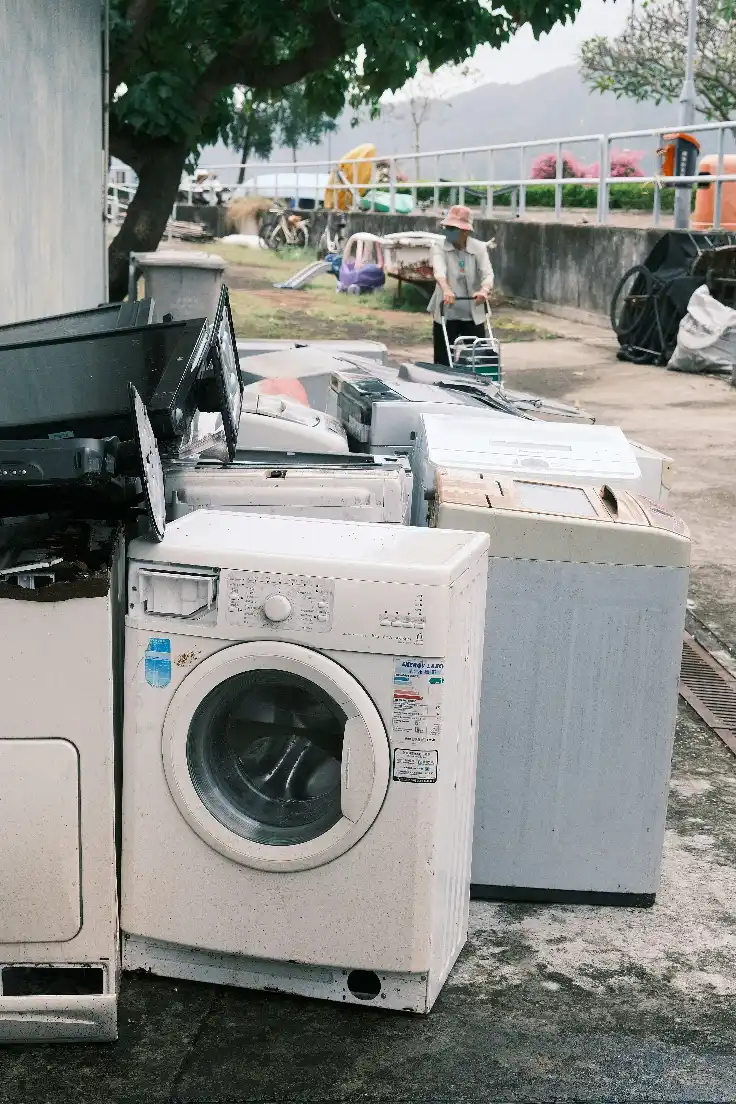
A resident homeowner is having his laundry area upgraded as part of a home renovation. Runs, but leaks and makes excessive noises during each spin. The family decides that it's time to replace it. The new machine is delivered, but the old machine does not move; people don't know the easiest way to take it off. Initially, it is recommended that it be taken to a recycling center. Reality sets in, however:
- It weighs too much
- It will fit in properly in the vehicle
- No one wants to pick it up.
- The cost of renting a trailer is irrelevant to me.
- Weeks until the next council collection date.
So it's there longer than it was supposed to be. This is the very type of scenario occurring regularly around Melbourne's suburbs. Many times the biggest obstacle to recycling appliances earlier than they are now is not the economic side of the issue; it's the logistical challenge of transporting them. In fact, households tend to have these services more often, especially with regard to household appliances, precisely because they are picked up.
Why More Australians are Utilizing Scrap Pickup Services
Many years ago, people were thinking that recycling was only possible in cases where they brought the things to be recycled to the scrapyard themselves. However, this may not be always appropriate for a contemporary home.
Many people:
- drive smaller cars
- live in busy suburban areas
- Is unable to safely lift heavy appliances
- HATE owners of trailers and Ute vans.
- merely desire quicker removal.
The problem is directly addressed by pickup services, which pick up scrap metal straight from the property. In the event he has a great deal of use for it throughout:
- home renovations
- rental property cleanouts
- moving house
- deceased estate clearances
- appliance upgrades
- garage cleanups
One of the common items that can cause frustration for property managers as well as landlords is old appliances that can be hard to grab on to if you need to move them up quickly and can also be large.
What REALLY goes inside a washing machine?
People might be struck by the amount of metal found within contemporary appliances. A washing machine that isn't plastic and wires. Most of the units mix recyclable waste, which can be separated during the process.
These usually include:
- steel outer panels
- A collection of stainless steel drum sections. A set of stainless steel drum sections.
- copper motor wiring
- aluminium components
- The welding of internal brackets and fittings.
Copper is particularly significant, as it is one of the most widespread and valuable reusable metals in electrical goods. Although there might not be a lot of copper in each appliance, when it comes to the volume of waste, a good number of discarded products create a significant amount of recyclable copper. There is a reason why appliance recycling is an important way to recover metal in Australia, and that reason is that.
Why is it becoming rare to throw away appliances when they're broken?
Increasingly, Australians are aware of recycling, much more than they were years ago. Nowadays, it's common knowledge that large appliances come pre-used with reusable parts that should not go to waste in the landfill. Also, there is increased awareness of environmental waste. The recyclable metals in appliances are not recovered; they may still be beneficial for manufacturing and industrial processes if the appliances are dumped irresponsibly or left idle for years. Many councils also regulate when larger appliances can be at the curb and encourage more homes to recycle instead. Thus, people are now explicitly looking for pickup of their appliances instead of waste removal services.
After the washing machines are picked up, what happens?
Most people will never witness what goes on after collection. After the appliances are collected, they are usually broken down into the following categories:
- steel
- copper
- aluminium
- plastic
- electronic components
These metals are then broken down into a component form, which allows for re-use in other products and industries, hence recycling. Recycled steel could continue to be found in building products, industrial machinery, or other industrial goods. The copper in motors and wiring can be recycled for use in electrical applications and in new motors and equipment. This helps minimize waste and extend the useful life of materials. For a wider look at the recycling journey, read what happens to scrap metal after pickup.
Appliance recycling has grown because of competition.
Melbourne households are changing their appliances more frequently than earlier generations. Every year, appliance waste increases due to modern upgrades, energy-efficient systems, renovations, and changing technology.
These are commonly replaced items that are no longer available:
- washing machines
- dryers
- refrigerators
- dishwashers
- air conditioners
The problem is, some of these appliances are too large or cumbersome for regular disposal. That is what makes pickup recycling services more necessary in Melbourne and its suburbs. More appliance examples are covered in the guide to recycle old appliances.
Other people desire extra action to be
- practical
- fast
- simple
- With fewer demands on the body (less demanding)
One of the strongest motivators for appliance recycling remains convenience.
The same bulky-item challenge applies to fitness machines, which is why many households now look for old gym equipment removal when treadmills, benches, and exercise bikes are taking up space.
Final Thoughts
One of the most overlooked recyclable appliances at Australian homes are old washing machines. Even many people dump them out there for months just because it's not easy to get rid of them. However, working in these machines are components such as electric motors, steel, copper, aluminium, etc., which can be recovered and reused rather than degraded and disposed of. Increasingly, people look for simpler methods in handling unwanted bulky items, making pick-up recycling services an increasingly more viable option than landfilling or making cumbersome transport arrangements. Tradesmen, businesses, and landlords who need a scrap washing machine pickup in Melbourne can utilize the services of MIR Metal Recycling, which offers mobile scrap collection services that allow for waste materials to be conveniently collected from a resident's home, from a renovation site, or from any commercial property.